Live Joinery London

Service

Cabinet makers in East London

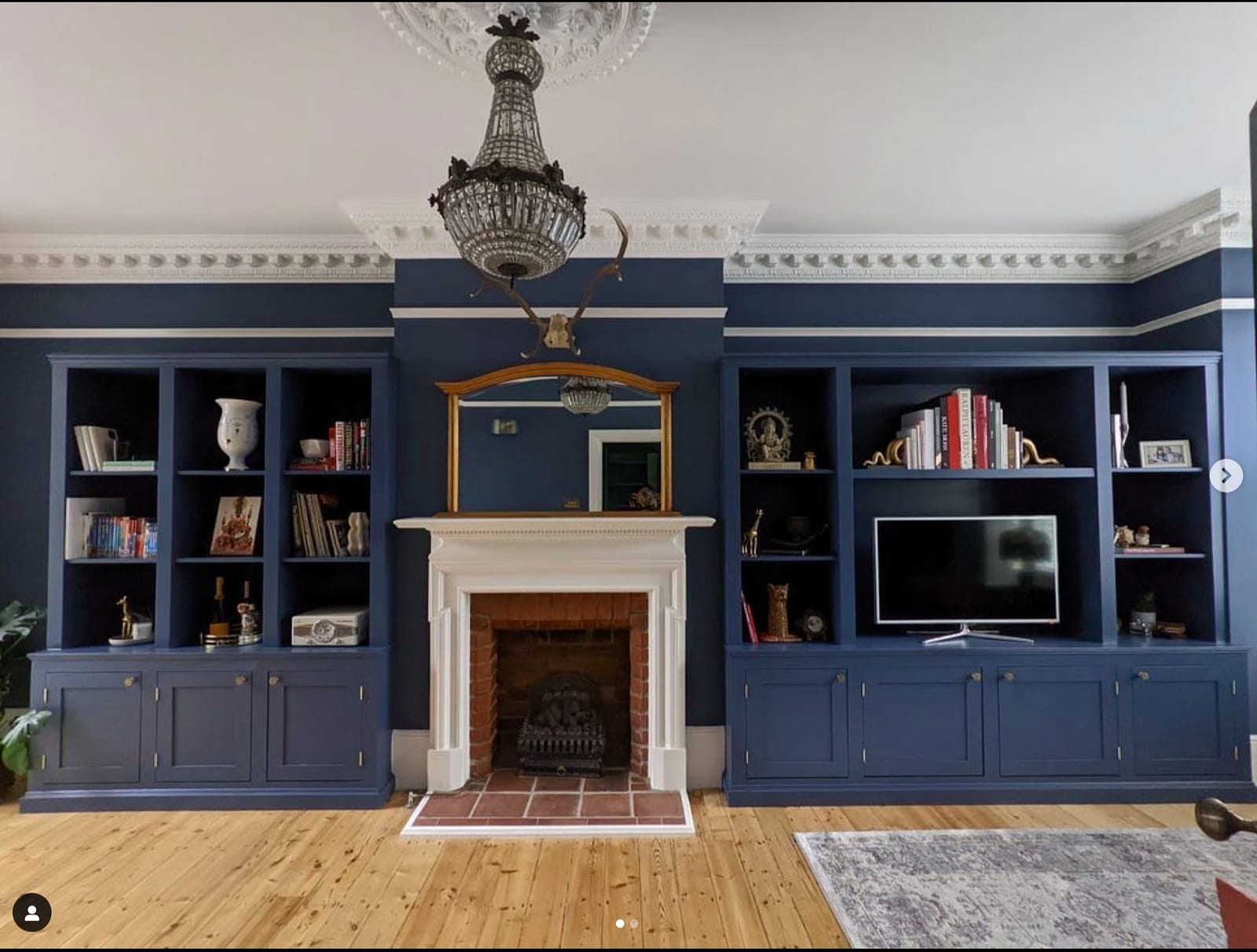
Workshop cabinet making for London homes — bespoke carcasses, doors and drawers for wardrobes, alcove units, media walls and kitchens, made to your exact room.

Cabinet making, made on the bench

Cabinet making is the workshop end of joinery: the careful, repeatable work of building carcasses, doors and drawers to fine tolerances before anything reaches your home. It is what turns a measured drawing into the fitted wardrobes, alcove units, media walls and kitchens we install. Doing it on the bench rather than in the room means cleaner joints, sprayed finishes you cannot get with a brush on site, and far less mess while you wait.

Our workshop is in E16. The same team that surveys your room builds the cabinets and comes back to fit them, so the accuracy from the bench carries through to the way the cabinets sit against your wall.

What we make

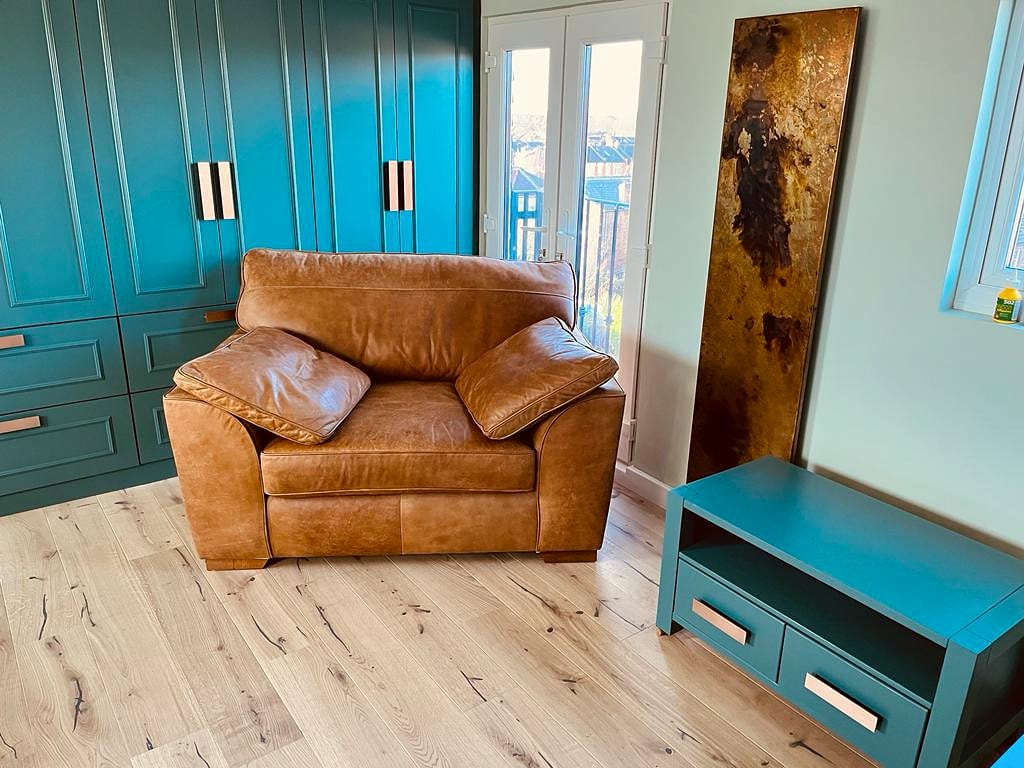
Wardrobe carcasses and doors, alcove cabinets, media-wall casework, bookcases, bay-seat units and full bespoke kitchens. Carcasses are built in birch plywood or Egger MFC; doors are painted MDF shaker, in-frame, or hardwood and veneer for natural finishes. Drawers run on Blum soft-close hardware, with dovetailed solid-timber boxes on premium work. Every component is specified by name on the quote rather than left to a generic catalogue.

How bespoke compares, and how it is priced

Off-the-shelf furniture works to fixed carcass sizes and a limited door range, so it cannot use the full height of a period ceiling or scribe to a wall that is out of square. Bespoke cabinet making is built to the room and to what you actually store, in better-grade materials with a sprayed finish.

Price depends on size, the number of cabinets, door style, finish and interior fit-out. A single bespoke unit starts around £1,200; a full in-frame kitchen in hardwood reaches the top of the range. We keep quotes itemised so you can see what each cabinet costs, and the approved figure is fixed unless the brief changes. If the first scope is too large, we can simplify the doors, reduce the drawer count or phase the work.
Costs

Typical scopes and budgets

These are service ranges, not photographed jobs. The final quote depends on room size, finish, hardware, access and interior detail.

Scope Typical range What moves the price
Single bespoke cabinet or unit £1,200–£2,900 Size, door style, painted vs veneer finish, interior fit-out
Pair of alcove cabinets £2,400–£4,200 Height, open shelving vs closed cupboards, matching the room, scribing to plaster
Media-wall cabinetry £3,000–£8,000 Run length, cable management, integrated lighting, shadow-gap detailing
Bespoke kitchen cabinetry £8,000–£18,000 Cabinet count, in-frame vs flat carcass, drawer hardware, worktop integration
Premium in-frame hardwood casework £18,000–£25,000 Hardwood face frames and doors, bespoke ironmongery, hand-finishing, fitted appliances

Options

Common materials and choices

Carcass

Birch plywood or 18mm Egger MFC

Birch ply for visible-interior and open casework, MFC for standard cabinets. Edge-banded on all visible faces.

Doors and drawer fronts

MDF shaker, in-frame or hardwood

MDF for painted finishes sprayed in any colour; hardwood and veneer for stained or natural work. In-frame variants get a separate face frame for the small shadow gap around each door.

Drawer boxes

Dovetailed or Blum TANDEM

Solid timber dovetailed boxes for premium work, Blum metal-sided boxes elsewhere, both on soft-close runners.

Hardware

Blum hinges and runners

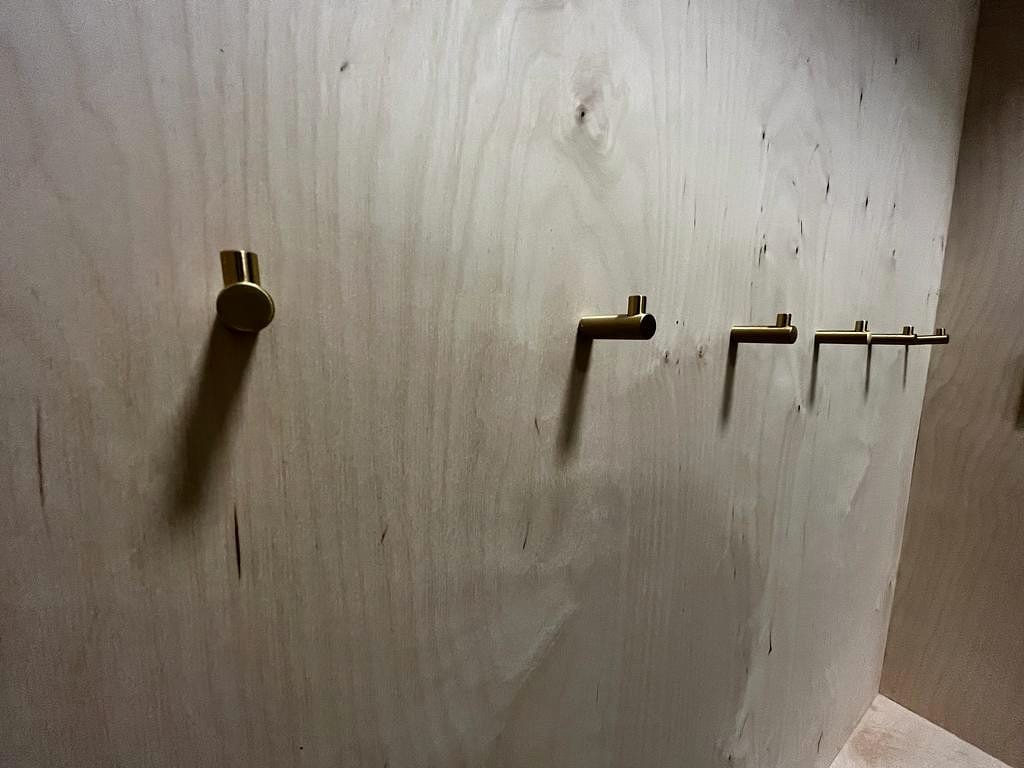
Soft-close on every door and drawer as standard. Handles from push-to-open to brass, nickel or matt-black pulls, named on the quote.

Process

How this service works

  1. Site survey

    A 30-minute visit to measure the room, photograph the space and talk through what the cabinets need to hold. Free, no obligation.

  2. Fixed quote

    An itemised written quote within seven days, with each cabinet broken out so you can dial the scope up or down before signing.

  3. Design sign-off

    A layout drawing and interior elevation, plus a 3D render for in-frame or feature casework, approved before we cut a sheet.

  4. Workshop build

    Carcasses, doors and drawers built and pre-finished on the bench in our East London workshop over a three-to-five-week lead time.

  5. Install

    The finished cabinets fitted and scribed to the room by the same team that built them, with floors protected and dust contained.

Questions

Frequently asked

What does a cabinet maker do that a carpenter does not?
A cabinet maker works on the bench in a workshop, building the carcasses, doors and drawers of furniture to fine tolerances — the precise, machine-and-hand side of joinery. A carpenter works on site, fixing and assembling. The cabinets we make in the workshop are then installed by the same team, so the bench accuracy carries through to the fit on the wall.
Are your cabinets made in a workshop or on site?
In our East London workshop. Building on the bench means cleaner joints, sprayed finishes that cannot be matched with a brush on site, and far less dust and disruption in your home. The cabinets arrive as finished pieces and are scribed and fixed to the room, rather than being knocked together in the bedroom.
Can you make cabinets to match an existing piece?
Yes, in most cases. If there is existing joinery in the room — a cupboard from an earlier renovation, or a kitchen run you want to extend — we can match the new cabinets to its door style, paint colour, proportions and hardware. Bring photos to the survey, ideally with a tape measure visible for scale.
How does bespoke cabinet making compare to flat-pack?
Flat-pack uses fixed carcass sizes and a catalogue of doors, so it cannot use full ceiling height or scribe to an uneven wall. Bespoke cabinet making is built to the actual room and to what you store, with better-grade materials and a sprayed finish. It costs more and takes longer, but it fits the space exactly and lasts.
Call WhatsApp Book survey